










Falcon Capital

Technologies

Your Gateway to Exceptional Support and Innovative Ideas

Services

Pioneering Technological Innovation Across Industries 

At Falcon Capital, we bring extensive experience across a diverse array of sectors, utilizing cutting-edge technologies to drive transformative outcomes. Our strategic approach incorporates the latest technological advancements to empower businesses and governments worldwide. By delivering innovative and tailored solutions, we ensure our clients achieve leadership and excellence in their respective fields.

Homeland Security

Smart & Safe City Technologies

Cyber Intelligence And Big Data

Water Tech

Agriculture

Food Tech

Healthcare

Fintech and Crypto

Industry 4.0

Automotive

Energy / Renewable Energy

Robotics / UAV

AI / Generative AI

Satellite Communication and Telecom

Gaming

Semiconductor

Let’s build tomorrow, today

Contact Us Today to Discover How We Can Help You Succeed. 

Scroll to Top

Homeland Security

Introduction

Homeland Security technologies offer comprehensive solutions to protect nations from a wide range of threats, including terrorism, cyber-attacks, and natural disasters. These technologies are critical for national security, providing the tools needed for effective border control, infrastructure protection, and emergency response. The global market for Homeland Security was valued at $556.4 billion in 2020 and is projected to reach $742.6 billion by 2025, growing at a CAGR of 5.9%【Source: MarketsandMarkets】.
Border Security

Technologies and systems to secure borders from illegal immigration, smuggling, and other threats, including advanced surveillance and monitoring tools.

Emergency Response

Solutions for preparing for and responding to natural disasters, terrorist attacks, and other emergencies, featuring real-time communication and coordination platforms.

Transportation Security
Systems to enhance the safety of the traveling public, especially in airports and on airplanes, including advanced screening technologies and threat detection mechanisms.
Counterterrorism
Tools and methods for identifying and preventing terrorist activities, utilizing intelligence analysis, surveillance, and response strategies.
Immigration Enforcement
Technologies for managing and enforcing immigration laws, such as automated visa processing systems and asylum request management tools.
Infrastructure Protection
Solutions to safeguard critical infrastructure like power plants, water supplies, and communication networks, employing monitoring systems and risk assessment tools.
Chemical, Biological, Radiological, and Nuclear Defense
Technologies for detecting, preparing for, and mitigating threats from hazardous materials and weapons of mass destruction, including specialized detection and decontamination equipment.
Law Enforcement Training
Resources and training programs for federal, state, and local law enforcement agencies, focusing on advanced tactical training and technology integration.

Business Needs & Challenges

Governments and organizations require advanced technologies to enhance surveillance, respond swiftly to emergencies, and secure critical infrastructure against diverse threats. Key challenges include the high costs associated with implementing these technologies, integrating various systems to work cohesively, and ensuring that different security technologies can interoperate effectively.

Recent advancements include the integration of AI and machine learning into surveillance systems, significantly improving threat detection and response times. Additionally, biometrics and facial recognition technologies are becoming more accurate and widely implemented in security protocols.

Future Outlook

The Homeland Security market is expected to grow steadily, driven by increased investments in AI-driven solutions, enhanced cybersecurity measures, and infrastructure protection technologies. Companies that develop interoperable, scalable security systems will be well-positioned to secure lucrative contracts from both government and private sector clients.

Smart City Technologies

Introduction

Smart & Safe City technologies aim to create more efficient, secure, and sustainable urban environments by integrating various systems for traffic management, energy usage, public safety, and emergency response. The global market for Smart City technologies is forecasted to grow from $410.8 billion in 2020 to $820.7 billion by 2025, at a CAGR of 14.8%【Source: Grand View Research】.
IoT Sensors
  • Data Collection: Monitor air quality, traffic conditions, noise levels, and energy consumption across the city. 
  • Resource Management: Use collected data to optimize city operations and resource allocation for improved efficiency. 
Smart Traffic Management
  • Traffic Optimization: Employ sensors and artificial intelligence (AI) to manage and improve traffic flow, reducing congestion. 
  • Adaptive Signals: Implement traffic signals that adjust in real-time based on current traffic conditions to enhance flow and safety. 
Public Wi-Fi and Connectivity
  • Internet Access: Provide widespread and reliable internet connectivity for residents and visitors, promoting digital inclusion. 
  • IoT Support: Facilitate communication and data exchange for IoT devices throughout the city. 
Smart Lighting
  • Adaptive LED Lights: Use energy-efficient LED lighting that adjusts according to natural light levels and activity patterns. 
  • Energy Reduction: Minimize energy consumption and enhance public safety with intelligent lighting solutions. 
Waste Management
  • Smart Bins: Deploy bins with sensors to monitor fill levels and optimize waste collection routes. 
  • Efficiency and Recycling: Improve waste management processes, reduce landfill use, and increase recycling rates. 

Business Needs & Challenges

Cities around the world are increasingly adopting smart technologies to improve the quality of life for their residents. These technologies address the need for more efficient use of resources, better traffic flow, enhanced security, and quicker emergency responses. However, challenges such as high implementation costs, data privacy concerns, and the complexity of integrating new technologies with existing urban infrastructure remain significant barriers.

IoT sensors and AI-driven analytics are becoming integral to smart city projects, providing real-time data that enhances decision-making and resource management. The rollout of 5G networks is expected to further improve the efficiency and responsiveness of smart city systems.

Business Needs & Challenges

The Smart City market will likely see accelerated growth as urbanization continues and the need for sustainable urban development becomes more pressing. Companies that offer secure, scalable, and interoperable solutions will find substantial opportunities in cities looking to upgrade their infrastructure.

Cybersecurity

Introduction

Cybersecurity technologies are essential for protecting organizations from digital threats such as data breaches, ransomware, and other malicious activities. These technologies are increasingly critical as more businesses and governments digitize their operations. The global cybersecurity market is projected to grow from $173.5 billion in 2020 to $270 billion by 2026, with a CAGR of 8.2%【Source: Fortune Business Insights】.

Business Needs & Challenges

As cyber threats become more sophisticated, organizations need robust cybersecurity measures to protect sensitive information, ensure compliance with regulations, and maintain customer trust. Major challenges include the rapid evolution of threats, a shortage of skilled cybersecurity professionals, and the need for ongoing updates to security protocols to counter new vulnerabilities.

AI and machine learning are increasingly used to enhance threat detection and response, allowing organizations to identify and mitigate risks more quickly. The adoption of Zero Trust architecture, which requires strict identity verification for every access request, is also gaining traction as a more secure approach to managing access to sensitive systems.

Future Outlook

The demand for advanced cybersecurity solutions will continue to grow as cyber threats become more prevalent and complex. Companies that lead in developing AI-powered cybersecurity tools and Zero Trust frameworks will be well-positioned to dominate this expanding market.
Water Tech

Introduction

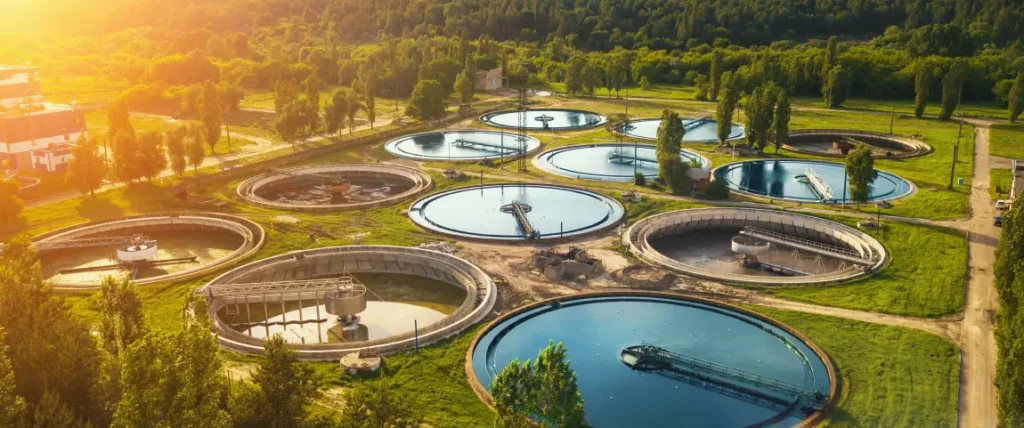
Water technologies focus on the efficient management of water resources, including innovations in wastewater treatment, desalination, and leakage detection. These technologies are becoming increasingly important as global water scarcity intensifies and the need for sustainable water management practices grows. The global water technology market is projected to reach $914 billion by 2023, with a CAGR of 7.1%【Source: Global Water Intelligence】.
Wastewater Treatment
  • Filtration and Biological Treatment: Advanced systems for purifying and managing wastewater. 
  • Chemical Processes: Techniques for ensuring wastewater meets regulatory standards.
Desalination
  • Reverse Osmosis and Distillation: Methods for converting seawater into freshwater. 
  • Energy Efficiency: Technologies designed to optimize the desalination process. 
Water Management Systems
  • Smart Meters: Tools for monitoring and managing water use. 
  • Control Systems: Technologies for efficient water resource management. 
Leakage Detection
  • Sensors and Analytics: Solutions for identifying and preventing water loss. 
Waste Management
  • Smart Bins: Deploy bins with sensors to monitor fill levels and optimize waste collection routes. 
  • Efficiency and Recycling: Improve waste management processes, reduce landfill use, and increase recycling rates. 

Business Needs & Challenges

Municipalities and industries face the critical need to manage water resources more efficiently, reduce waste, and ensure a consistent supply of clean water. Challenges include the high cost of adopting advanced water technologies, navigating regulatory requirements, and the technical complexity of integrating these technologies into existing water systems.

The adoption of smart water management systems, which utilize IoT-enabled sensors for real-time monitoring and data collection, is on the rise. Additionally, advancements in desalination technology are making it more cost-effective, allowing regions with limited freshwater resources to meet their water needs.

Future Outlook

The water technology market is expected to grow significantly as water scarcity becomes a more pressing global issue. Companies that innovate in water conservation, smart water management, and efficient water use technologies will find growing opportunities in both developed and developing markets.
Agriculture

Introduction

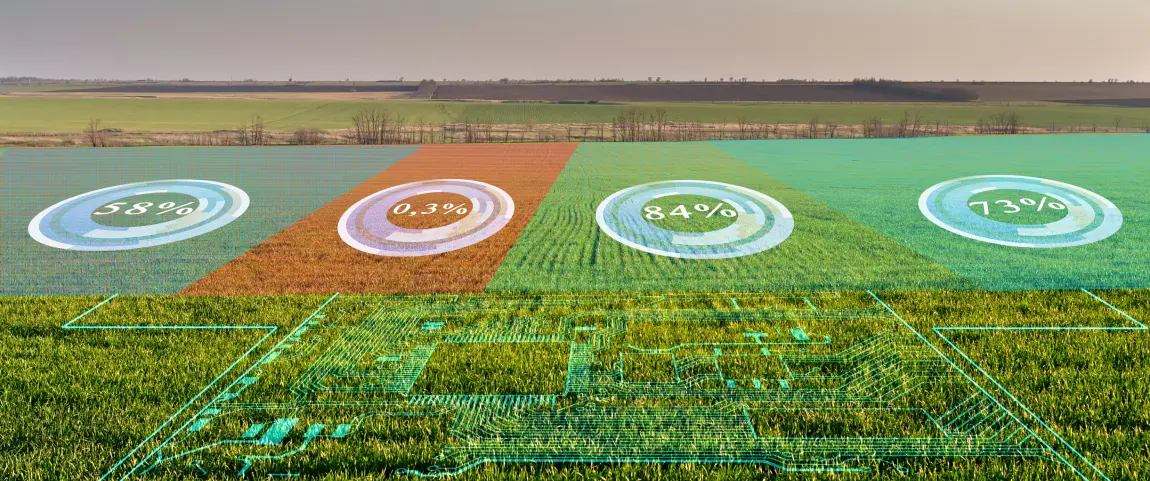
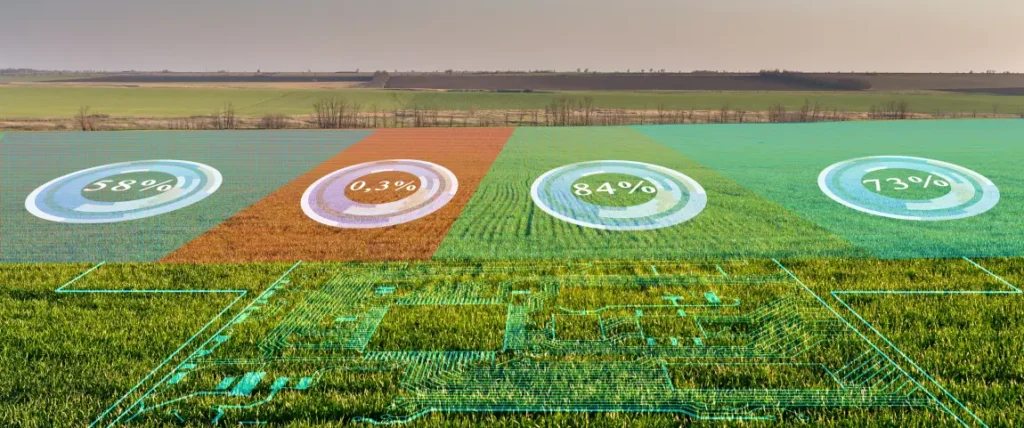
Agricultural technologies are transforming farming by introducing precision farming, automated irrigation systems, and advanced crop management tools. These innovations are critical for increasing agricultural productivity and sustainability, especially in the face of growing global food demands. The agricultural technology market is expected to grow from $12.5 billion in 2020 to $22.5 billion by 2025, at a CAGR of 12.1%【Source: MarketsandMarkets】.
Precision Farming
  • Data-Driven Tools: Technologies for optimizing crop management and resource use. 
  • Automated Machinery: Equipment for efficient and precise farming operations. 
Automated Irrigation Systems
  • Smart Irrigation: Solutions that adjust based on real-time data. 
Soil Health Monitoring
  • Sensors and Analytics: Tools for assessing and improving soil conditions. 
Crop Management Solutions
  • Monitoring Technologies: Systems for tracking plant health and growth. 

Business Needs & Challenges

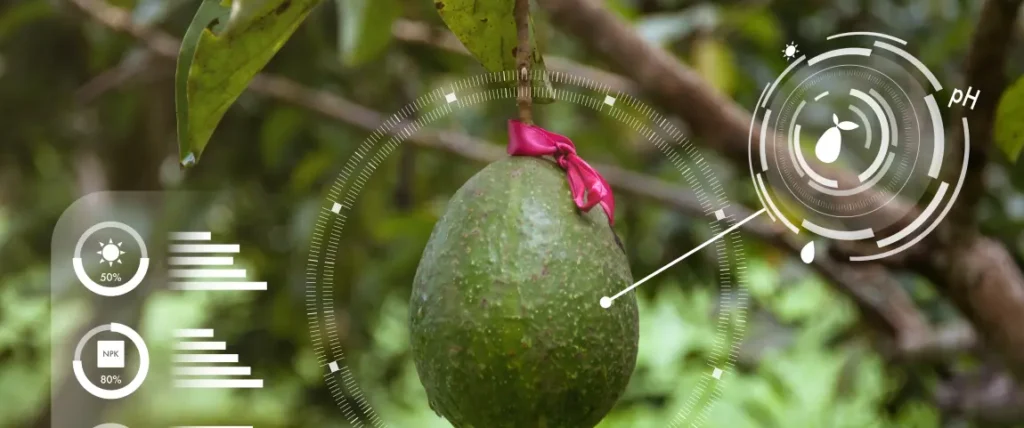
Farmers and agribusinesses require advanced tools to optimize resource use, increase crop yields, and reduce environmental impacts. Key challenges include the high costs of technology adoption, the need for technical expertise, and integrating new technologies into traditional farming practices.

The use of drones and satellite imagery for real-time crop monitoring, coupled with AI-powered analytics, is revolutionizing farming practices by providing more accurate and actionable data.
Future Outlook

The agricultural technology market is poised for substantial growth as the demand for sustainable farming practices increases. Companies offering cost-effective, easy-to-use agricultural technologies that enhance productivity will be in high demand.

Food Tech

Introduction

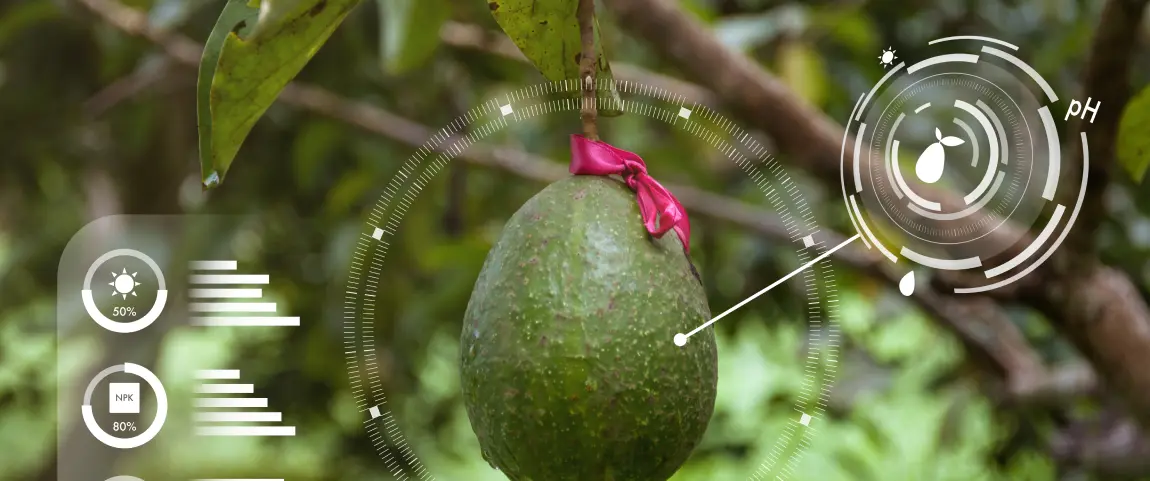
Food technologies are revolutionizing the food industry by improving production efficiency, ensuring food safety, and enhancing sustainability. These innovations address the growing consumer demand for healthier, safer, and more sustainable food products. The global food technology market is projected to reach $342 billion by 2027, growing at a CAGR of 6.1%【Source: Allied Market Research】.

Advanced Processing Techniques
  • Quality Enhancement: Methods to improve food safety and shelf life. 
Smart Packaging
  • Freshness Monitoring: Packaging solutions that track food quality. 
Supply Chain Optimization
  • Logistics Solutions: Technologies for improving efficiency and reducing waste. 
Food Safety Systems
  • Traceability: Solutions for ensuring food safety from production to consumption. 

Business Needs & Challenges

Food producers need advanced technologies to streamline production processes, optimize supply chains, and ensure compliance with food safety regulations. Challenges in the food tech sector include navigating complex regulatory environments, managing high implementation costs, and maintaining consumer trust.

The development of alternative proteins, including plant-based and lab-grown options, is gaining momentum, along with innovations in smart packaging that extend shelf life and monitor freshness.

Future Outlook

The food technology market is expected to expand as consumers continue to demand healthier, safer, and more sustainable food options. Companies that innovate in areas like alternative proteins and smart packaging will have significant growth opportunities.
Healthcare

Introduction

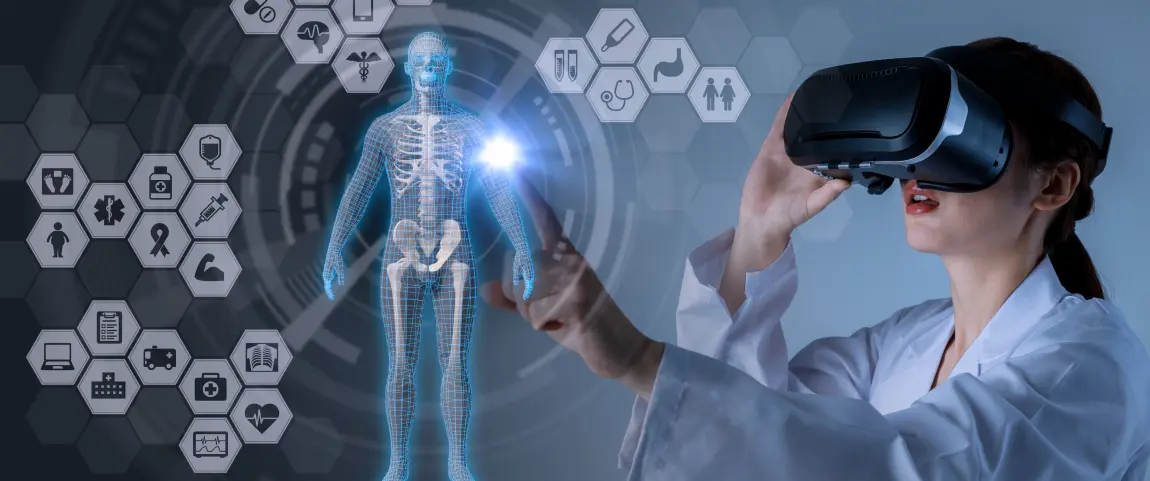
Healthcare technologies are at the forefront of transforming patient care, with innovations in medical devices, telemedicine, and health data management playing critical roles. These technologies are essential for improving the efficiency, accuracy, and accessibility of healthcare services. The healthcare technology market is experiencing rapid growth, driven by the need for more personalized and efficient care solutions.
Medical Devices
  • Diagnostic and Therapeutic Equipment: Advanced tools for medical treatment. 
Telemedicine Platforms
  • Remote Consultations: Systems for virtual healthcare services. 
Health Data Management
  • Electronic Records: Tools for managing patient data and enhancing care. 
Wearable Health Technology
  • Continuous Monitoring: Devices for tracking health metrics. 

Business Needs & Challenges

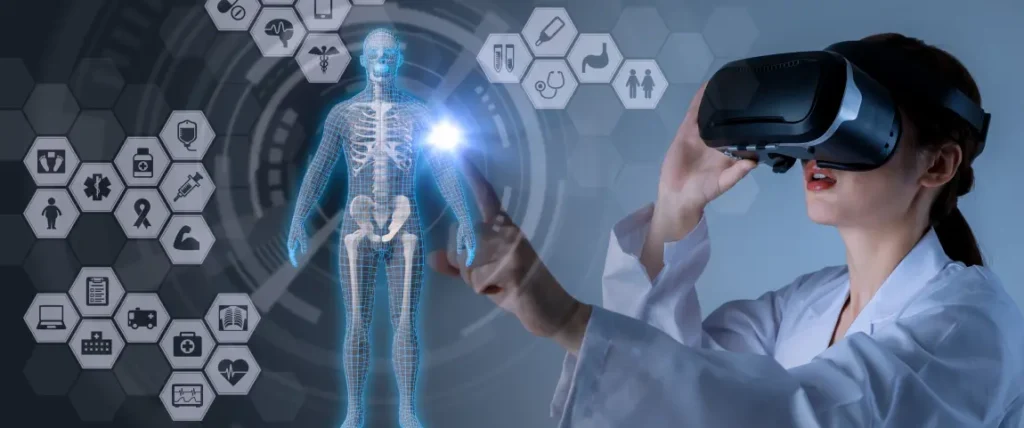
Healthcare providers require advanced technologies to enhance patient outcomes, reduce operational costs, and securely manage health data. Challenges include stringent regulatory compliance, data privacy concerns, and the complexities of integrating new technologies with existing healthcare systems.

Telemedicine is becoming increasingly prevalent, enabling remote consultations and treatment, while wearable health tech is gaining popularity for continuous health monitoring and preventive care.
Future Outlook

The healthcare technology market is set to expand as the demand for innovative, patient-centered solutions grows. Companies that lead in developing secure, effective healthcare technologies will be well-positioned to capitalize on this growth.

Fintech and Crypto

Introduction

Fintech and cryptocurrency technologies are redefining financial services by offering more secure, efficient, and decentralized solutions. These technologies are disrupting traditional financial systems, with blockchain and digital currencies leading the charge. The market is rapidly expanding as more businesses and consumers adopt digital finance solutions.
Blockchain Solutions
  • Secure Transactions: Technologies for transparent and secure financial operations. 
Digital Currencies
  • Crypto Platforms: Systems for managing and trading digital assets. 
Financial Analytics Tools
  • Market Analysis: Tools for assessing investment opportunities. 
Secure Payment Systems
  • Efficient Transactions: Technologies for safe and quick financial exchanges. 

Business Needs & Challenges

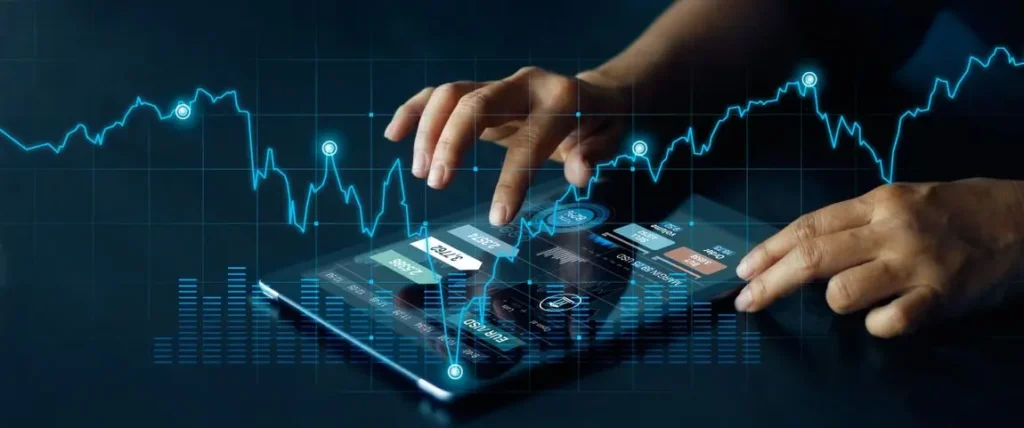
Financial institutions and businesses need scalable and secure technologies to stay competitive in the digital economy. Challenges include navigating complex regulatory landscapes, addressing security concerns, and managing the volatility of cryptocurrencies.

Blockchain technology is being increasingly adopted for secure transactions and data management, while Decentralized Finance (DeFi) is emerging as a new frontier in financial services, offering alternatives to traditional banking.
Future Outlook

The fintech and cryptocurrency markets are expected to grow as digital finance becomes mainstream. Companies that innovate in blockchain, security, and scalable financial solutions will capture significant market share.

Industry 4.0

Introduction

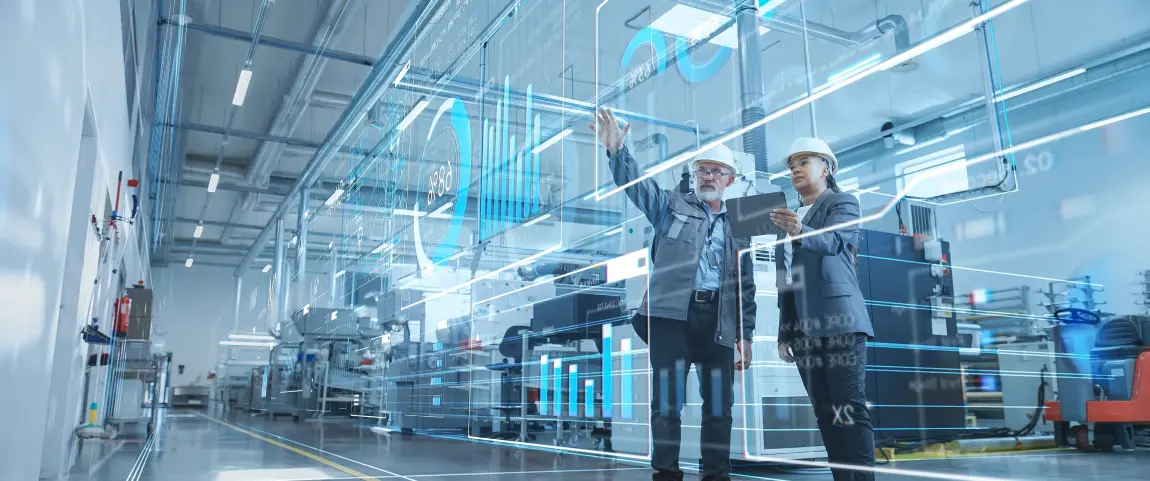
Industry 4.0 represents the next phase in the industrial revolution, characterized by the integration of automation, IoT, and AI into manufacturing processes. These technologies enable smarter, more efficient, and highly customizable production methods. The Industry 4.0 market is driven by the need for increased productivity, flexibility, and the ability to quickly adapt to changing market demands.
Automation Systems
  • Robots and Machinery: Equipment for streamlined production. 
Data Analytics
  • Manufacturing Optimization: Tools for analyzing and improving processes. 
IoT Connectivity
  • Smart Manufacturing: Sensors and devices for enhanced operational efficiency. 
Cyber-Physical Systems
  • Integrated Solutions: Systems that combine physical and digital processes. 

Business Needs & Challenges

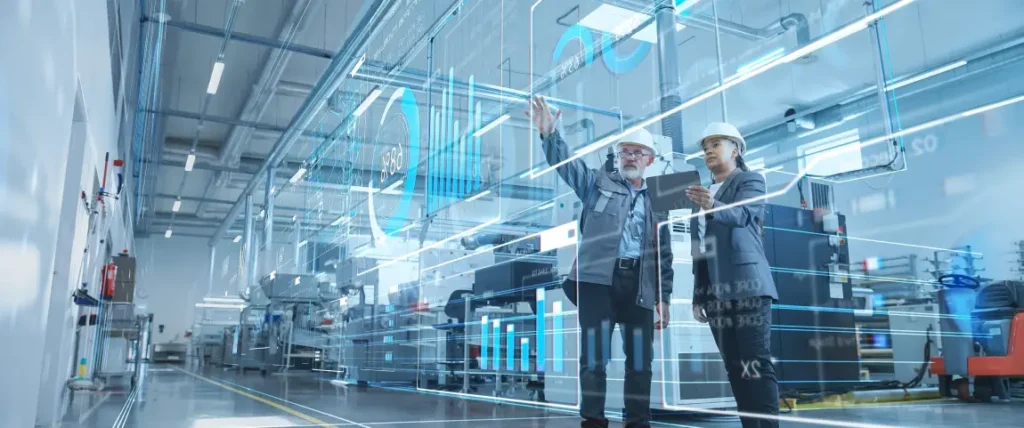
Manufacturers need to adopt Industry 4.0 technologies to enhance operational efficiency, reduce downtime, and improve product quality. However, challenges include the complexity of integrating new systems with legacy infrastructure, high implementation costs, and the need for workforce training to manage and maintain advanced technologies.

The use of IoT connectivity for real-time monitoring and data analytics is becoming standard in smart factories, allowing for predictive maintenance and optimization of manufacturing processes. AI-driven automation is also transforming production lines by reducing errors and increasing output.

Future Outlook

The Industry 4.0 market is expected to continue its growth trajectory as manufacturers increasingly adopt automation and data-driven technologies. Companies offering comprehensive, integrated solutions that are easy to implement will be at the forefront of this industrial transformation.

Automotive

Introduction

Automotive technologies, including advancements in electric vehicles (EVs), autonomous driving, and connected car technologies, are revolutionizing the transportation industry. These innovations are driven by the need for safer, more efficient, and environmentally friendly vehicles. The global automotive technology market is rapidly expanding as consumer preferences shift towards smarter and greener transportation solutions.
Electric Vehicles (EVs)
  • Propulsion and Storage: Technologies for electric vehicle performance and energy storage. 
Autonomous Driving Systems
  • Self-Driving Technology: Solutions for autonomous and semi-autonomous vehicles. 
Connected Car Technologies
  • Real-Time Data: Systems for enhancing vehicle connectivity and functionality. 
Advanced Safety Features
  • Collision Avoidance: Technologies for improving vehicle safety. 

Business Needs & Challenges

The automotive industry is under pressure to develop and integrate cutting-edge technologies to meet the growing demand for EVs and autonomous vehicles. Key challenges include regulatory hurdles, the high cost of research and development, and the need for robust infrastructure to support new technologies.

The rise of connected car technologies is enhancing vehicle safety and user experience, while advancements in battery technology are extending the range and efficiency of electric vehicles. Autonomous driving systems are also progressing, with increasing levels of automation being tested and implemented.

Future Outlook

The automotive technology market will continue to expand as the adoption of EVs and autonomous vehicles accelerates. Companies leading in innovation, particularly in battery technology, connectivity, and autonomous driving, will dominate the future automotive landscape.

Renewable Energy

Introduction

Renewable energy technologies, including solar, wind, and energy storage solutions, are essential for meeting the world’s energy needs sustainably. As the global focus shifts towards reducing carbon emissions and combating climate change, the renewable energy market is experiencing significant growth. This market is vital for ensuring a sustainable energy future.
Solar Power Systems
  • Photovoltaics and Thermal Technologies: Solutions for harnessing solar energy. 
Wind Power Technologies
  • Turbines and Systems: Equipment for capturing wind energy. 
Energy Storage Solutions
  • Batteries and Storage Systems: Technologies for storing renewable energy. 
Energy Efficiency Tools
  • Optimization Solutions: Systems for reducing energy consumption. 

Business Needs & Challenges

Energy companies are increasingly adopting renewable technologies to comply with regulations and meet consumer demand for clean energy. However, challenges such as the intermittency of renewable energy sources, the high cost of infrastructure development, and the integration of renewable energy into existing grids pose significant obstacles.

Advancements in energy storage technologies, such as lithium-ion batteries and emerging alternatives, are addressing the challenge of intermittency, making renewable energy more reliable. Additionally, innovations in energy efficiency tools and smart grid technologies are enhancing the integration of renewable energy into national grids.
Future Outlook

The renewable energy market is expected to grow as more countries commit to sustainability goals and invest in clean energy infrastructure. Companies that lead in energy storage and efficiency innovations will be key players in the global energy transition.

Robotics / UAV

Introduction

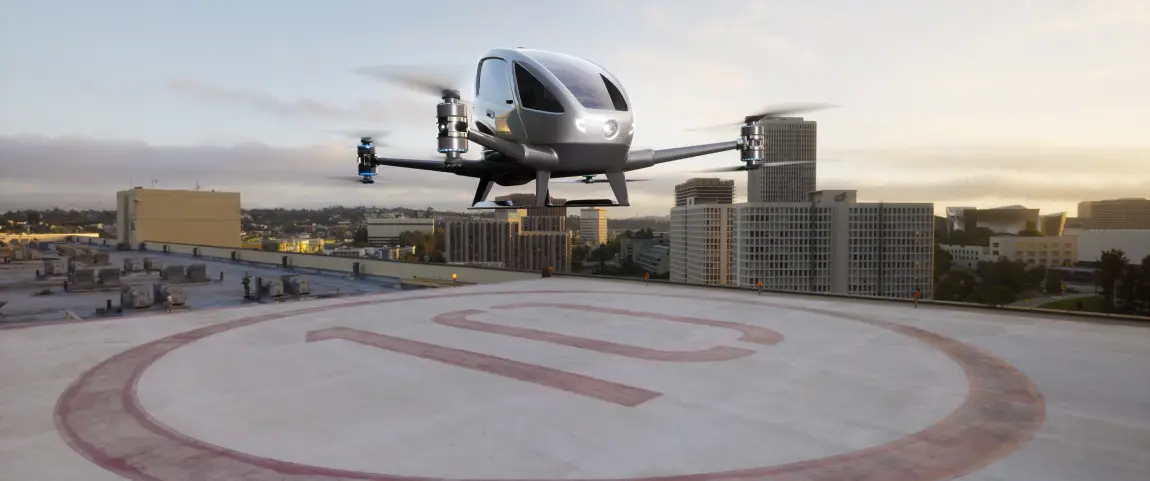
Robotics and UAV (Unmanned Aerial Vehicle) technologies are transforming industries by automating complex tasks and providing advanced sensing capabilities. These technologies are essential for improving efficiency, precision, and safety in sectors ranging from manufacturing to agriculture. The market for robotics and UAVs is expanding rapidly as their applications become more diverse and sophisticated.

Industrial Robots
  • Precision and Efficiency: Machines for repetitive and precise tasks. 
Unmanned Aerial Vehicles (UAVs)
  • Drones for Surveillance: Equipment for aerial monitoring and inspection. 
Automation Solutions
  • Streamlined Operations: Technologies for improving industrial processes. 
Advanced Sensors
  • Data Collection: Devices for enhancing robotics and UAV functionality. 

Business Needs & Challenges

Industries need robotics and UAVs to automate repetitive tasks, enhance precision in operations, and improve safety standards. Challenges include the high initial investment required for these technologies, regulatory restrictions, and the need for specialized skills to operate and maintain them.

The integration of AI and machine learning with robotics is leading to smarter, more autonomous systems that can adapt to changing environments. In agriculture, UAVs are increasingly used for crop monitoring and precision agriculture, while in manufacturing, robotics are streamlining production lines.

Future Outlook

The market for robotics and UAVs will continue to grow as automation becomes more widespread across industries. Companies that develop versatile, cost-effective solutions with AI integration will lead the market, providing significant competitive advantages.

AI / Generative AI

Introduction

AI (Artificial Intelligence) and Generative AI technologies offer powerful tools for data-driven innovation, enabling businesses to automate processes, enhance decision-making, and create new content. These technologies are becoming integral across various industries, driving efficiency and opening new possibilities in everything from customer service to product development. The AI market is rapidly expanding as businesses recognize its transformative potential.
Machine Learning
  • Data Analysis: Algorithms for identifying patterns and making predictions. 
Generative Models
  • Content Creation: AI systems for generating text, images, and more. 
Natural Language Processing (NLP)
  • Understanding and Interaction: Technologies for human-computer communication. 
AI Integration
  • Enhanced Applications: Solutions for incorporating AI into various systems. 

Business Needs & Challenges

Companies are increasingly turning to AI to streamline operations, improve customer experiences, and gain competitive insights. However, challenges include the high costs of AI implementation, the need for large datasets, and concerns over data privacy and ethical considerations.

Generative AI models, like GPT, are advancing capabilities in content creation, natural language processing, and conversational interfaces. AI is also being integrated into predictive analytics and decision-making tools, offering deeper insights and automation opportunities.

Future Outlook

The AI market is expected to see widespread adoption across industries, with significant growth in areas such as autonomous vehicles, virtual assistants, and smart cities. Companies investing in AI and Generative AI technologies today will be well-positioned to capitalize on the emerging opportunities in automation and intelligent systems.

Satellite Communication and Telecom

Introduction

Satellite Communication and Telecom technologies are critical for global connectivity, providing high-speed internet, advanced communication systems, and coverage in remote areas. These technologies support essential infrastructure for both businesses and governments, enabling seamless communication across the globe. The market for satellite communication is expanding as demand for reliable, broad-coverage networks increases.
Satellite Networks
  • Global Coverage: Systems for providing worldwide communication. 
Telecommunication Infrastructure
  • Network Expansion: Technologies for expanding and improving telecom networks. 
High-Speed Internet
  • Broadband Solutions: Systems for delivering fast and reliable internet. 
Advanced Communication Systems
  • Innovative Solutions: Technologies for improving communication efficiency. 

Business Needs & Challenges

Businesses and governments require robust satellite communication networks to ensure uninterrupted connectivity and secure data transmission. Challenges include the high cost of satellite deployment, the complexity of integrating satellite systems with terrestrial telecom infrastructure, and the need to manage the growing demand for bandwidth.

The deployment of low Earth orbit (LEO) satellites is revolutionizing the telecom industry by offering faster, more reliable internet connections. The integration of 5G technology with satellite systems is also enhancing global communication capabilities, providing better coverage and lower latency.

Future Outlook

The satellite communication and telecom market is expected to grow as the demand for global connectivity continues to rise. Companies that develop scalable, cost-effective satellite solutions and successfully integrate them with 5G networks will lead the market, providing essential services to both consumers and enterprises.

Gaming

Introduction

Gaming technologies are pushing the boundaries of interactive entertainment, with advancements in virtual reality (VR), augmented reality (AR), and cloud gaming transforming the gaming experience. The gaming industry is one of the fastest-growing sectors, driven by technological innovation and increasing consumer engagement.
Virtual Reality (VR)
  • Immersive Experiences: Systems for creating realistic virtual environments. 
Augmented Reality (AR)
  • Enhanced Interaction: Technologies for blending digital content with the real world. 
Game Development Platforms
  • Creative Tools: Software and hardware for designing and developing games. 
Cloud Gaming
  • Streaming Solutions: Technologies for delivering high-quality gaming experiences via the cloud. 

Business Needs & Challenges

Gaming companies need to continually innovate to create more immersive and engaging experiences, while also managing the challenges of rapid technological changes, high development costs, and the need for constant content updates to retain player interest.

The adoption of VR and AR technologies is expanding the possibilities for immersive gaming, while cloud gaming is gaining traction, allowing players to access high-quality games without the need for expensive hardware. The integration of AI in game design is also enhancing the realism and complexity of gaming environments.
Future Outlook

The gaming technology market will continue to expand as VR, AR, and cloud gaming become more mainstream. Companies that innovate in these areas and leverage emerging technologies like AI will dominate the future of interactive entertainment.

Semiconductor

Introduction

Semiconductor technologies are at the core of modern electronics, driving advancements in computing, communication, and a wide range of other technologies. Semiconductors are essential for the development of faster, smaller, and more efficient electronic devices. The semiconductor market is crucial for supporting the growth of emerging technologies such as AI, IoT, and 5G.
Advanced Semiconductor Materials
  • Improved Performance: New materials for better electronic components. 
Chip Design
  • Innovative Processes: Techniques for designing high-performance chips. 
Manufacturing Technologies
  • Production Efficiency: Equipment for efficient semiconductor production. 
Emerging Technologies
  • Terahertz Devices: Innovations for advanced semiconductor applications. 

Business Needs & Challenges

Tech companies need advanced semiconductor materials and designs to stay competitive in an increasingly digital world. Challenges include the high cost of research and development, supply chain disruptions, and the need for continuous innovation to keep pace with technological advancements.

Innovations in chip design, such as the development of smaller, more powerful semiconductors, are pushing the boundaries of what electronic devices can achieve. Additionally, advancements in semiconductor manufacturing technologies are improving efficiency and reducing production costs.

Future Outlook

The semiconductor market will continue to grow as demand for high-performance computing, AI, and 5G technologies increases. Companies that lead in semiconductor innovation and manufacturing efficiency will be at the forefront of the next wave of technological advancement.